



Enterprise Architect and hands-on engineer in Seattle. Twenty years spent making large systems agree with each other, across aerospace, telecommunications, consumer products, and commercial real estate.
Currently pursuing a Master of Science in Computer Science (MSCS) at the University of Texas at Austin, focused on deep learning.
Certified in The Open Group Architecture Framework (TOGAF 9), with a certificate in Enterprise Architecture from Carnegie Mellon University and the Graduate Certificate in Software Design and Development (GCSDD) from the University of Washington Bothell.
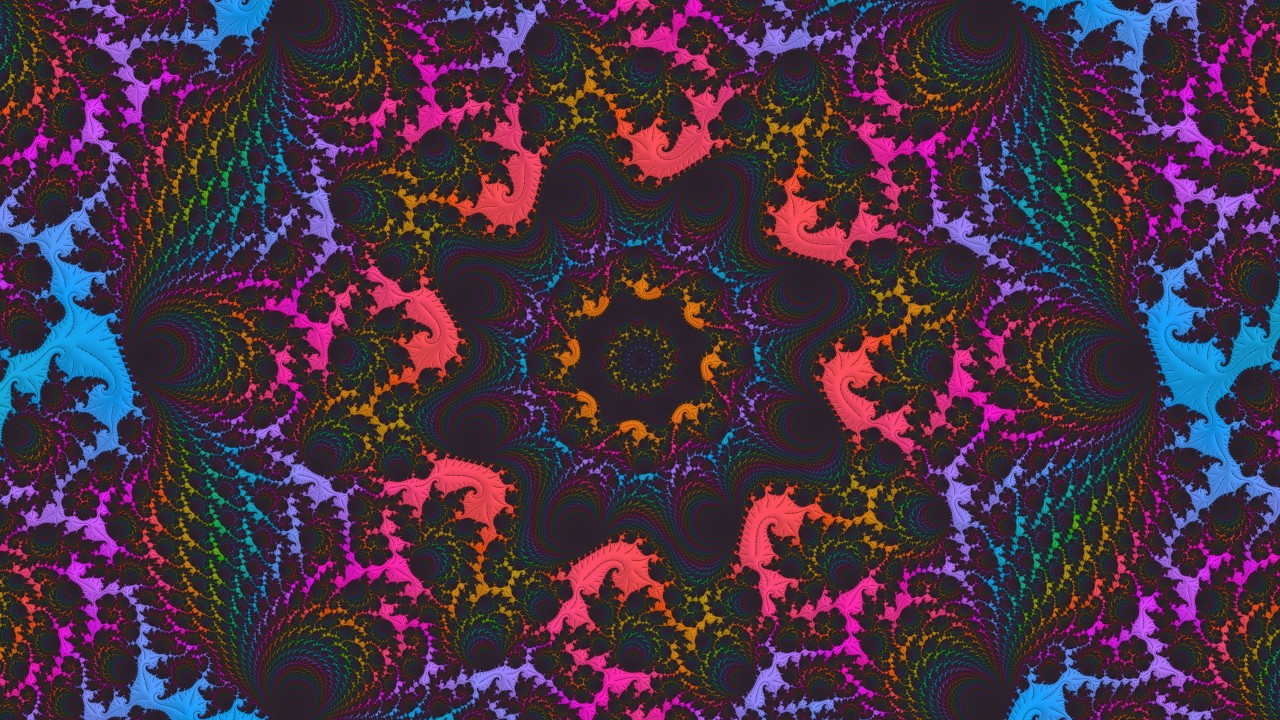
A renderer that descends 33 decades into the Mandelbrot set and comes back with a three minute film. Written in Rust and WebGPU Shading Language (WGSL), running on graphics processing units (GPUs) from one source tree.
The interesting part is not that it is fast. It is that it stopped rendering frames, computing the plane once instead of once per frame it appears in. That cut the render from 408 GPU-hours to roughly 32, for a deeper zoom.
It also stopped running on one machine. Work is sharded across a multi-cloud fleet: local Apple Silicon and rented GPUs on both Google Cloud Platform (GCP) and Amazon Web Services (AWS), split by cost rather than evenly. Every host runs a ninety-second preflight before it is given work and terminates itself when it finishes or stalls, so a bad node fails loudly instead of billing quietly. Shard output is verified bit-identical to a local render rather than assumed equivalent.
Watch the film · Read the code
Eight write-ups on running artificial intelligence image generation inside a real business, across three small ventures: how I picked a model, what it actually cost, how I keep the output clear of other people's copyright, and how I decide a file is good enough to print. A few of them walk back numbers I had already put in writing, and show the measurement that corrected them.
What I ended up believing: whether a model is in the loop matters less than whether you can check its output against something real. A picture only has to look right, so a person can judge it. A place name or an elevation is either correct or it is not, and a better model does not help. In one of the three, no image model renders the output any more, though like the other two it was built with AI assistance throughout.
Four C++ programs written as prerequisite coursework for the GCSDD program at the University of Washington Bothell: batch inventory processing, a hangman engine, a stack-based search through a cave graph, and a Sieve of Eratosthenes.